There are numerous different web browsers that are available to the public, some more popular than others. The web browser that I tend to use probably 95% of the time I use the Internet is Mozilla Firefox. This is one of the most popular choices out there along with Internet Explorer. However, Internet Explorer has been infamous for its slower speeds and functionality. In my opinion, Firefox is more user-friendly and faster to use than Internet Explorer. Firefox prides itself on making searching and surfing the Internet much easier for the public. It features improved performance and speed among many other awesome upgrades that can be seen here.
One of the lesser-known web browsers out there is Google Chrome. The main reason for this is because it is a fairly new web browser. Its first version was released just back in 2008. Like Firefox, Google Chrome also claims to have amazing speed and performance. Many users like it for its simplified interface and its increased built-in security features. Google Chrome seems like a very functional web browser, one that I would consider using myself. I think the fact that many people just don't know a whole lot about this web browser compared to one like Firefox is something that is holding it back from becoming a much larger browser. A full rundown of its features can be seen here.
Chris Paget, the "ethical hacker" explaining the in's and out's of RFID U.S. Passports
RFID tag can be seen on new passport (right)
The term "ethical hacker" may scare some people just by the sound of it, but what Chris Paget did actually turned out to beneficial in my opinion. Even though what he did was illegal, it was done to prove a point. Paget performed this act on a very small scale compared to what a real criminal could pull off affecting a much larger scale of people. He showed a loophole in the new passports being dealt out in the U.S. which could cause serious havoc if personal information attached to the RFID tags got into the wrong hands.
I believe that the U.S. should do away with the new version of the passports with the RFID included. It's already been showed how easily these can be stolen/modified/copied/scanned/cloned etc. and its problems would outweigh its benefits. This kind of ID tracking on various identification card can further lead to identity theft.
small RFID chip for humans
Other uses for the RFID tags other than passports include:
Twitter seems to have taken the world by storm in about the last year or two. Twitter is a form of social networking that allows people to share and receive all kinds of information from all over the world. You can "follow" all kinds of people and topics that you find interesting from movie stars, pro athletes, politicians, or some of your friends. Its services can be accessed via the Internet, a smartphone with a Twitter app, or even through e-mail. No matter how you choose to use Twitter, you can be linked to all of the information you find interesting right at the tip of your fingers with only a few clicks.
Twitter does a good job of ensuring that its users will have a safe and secure time when they are on their site. They have an assembled team of various people searching potential security risks at all time. This allows Twitter the opportunity, if any vulnerabilities are found, to resolve the problem very quickly and maintain a safe environment for its users.
I believe that Twitter has pretty much covered all of the bases and doesn't need to make any drastic changes to its Privacy Policy or their Terms of Service. Their policies seem to be laid out very clearly which makes it easy for Twitter users to understand their rights and what they're signing up for exactly.
Steve Jobs was the man responsible for so many astonishing technologies and advancements. He was the brains behind Apple Inc. turning it from a little-known partnership started in his own garage to a multi-billion, world-wide corporation. Apple Inc. revolutionized everything about the world of technology and business. Oh, and did I mention that he dropped out of college? It's crazy to think that somebody who many people at the time consider him a "hippie" turned out to be one of the most successful businessmen in the last century.
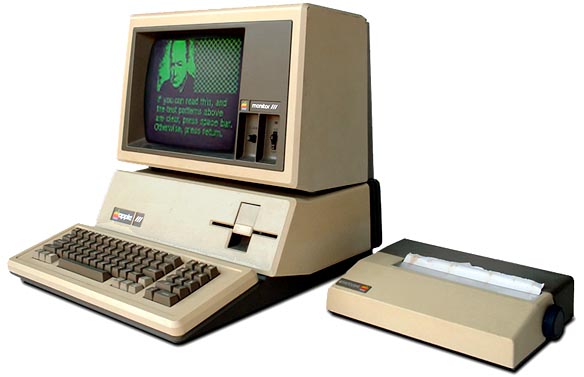
Everything started with the release of the Apple I computer. From there, Apple began to gain popularity in the public market. With each release of a new product, the company saw great success and profits began to rise as well. However, Apple did have some struggles in the beginning of their journey. Some of their products, such as the Apple III were "flops" in the market and were not very big sellers. Small setbacks like this one made it harder for Jobs and his business partner Steve Wozniak to keep Apple afloat.
Apple III was not as successful as I or II
After a short hiatus from the company when he was fired, Steve Jobs made a strong resurgence as he introduced the iMac in 1998. This was considered by some as the most revolutionary move by Jobs since the introduction of the original Macintosh back in the mid 1980's. With the Apple brand back on top of its game, they hit another homerun with the release of the very first iPod in 2001. This portable music player changed the way people listened to music. The iPod was the must-have product of the early 2000's. There was no other product like it out on the market that could compete. Just about every year after that, Apple released a different model of the iPod or an updated version of a previous model with improvements on each one.
time line of iPod models over the years
Just when people thought the craze of the iPod couldn't be topped, Jobs came out with the iPhone which without a doubt was way ahead of the rest of the cellphones available at the time. With hundreds of amazing features and incredible speeds, Steve Jobs had done it again; changed the entire way people viewed cellphones. Years later, Apple introduced the iPad, a user-friendly tablet computer that no other company had even thought was possible of creating.
So many great things can be said about the man who most-notably wore a simple black turtleneck and blue jeans. He changed millions of peoples lives and the way they go about their everyday lives. One of the most richest men in the world, worth billions, Steve Jobs was a revolutionary, innovator, and businessman. He was always way ahead of the curve when it came to his products and this kind of out-of-the-box thinking led him to all of the amazing success he had in his life. It will be very interesting to see how Apple will continue on without the great mind of Steve Jobs.
Steve Jobs having fun with the new PhotoBooth feature back in 2005